

TIPS FOR RELUCTANT SWIMMERS
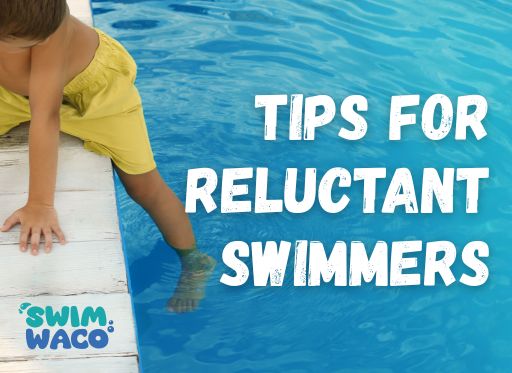
Does your child struggle to get their face in the water? Is there some fear or hesitation with swimming lessons? Don’t worry! This is totally normally and something our instructors are trained to handle.
We also have some tips that we’ve developed over the years that you can try at home to help your little one overcome their fears and develop a love of the water!
BATH TIME
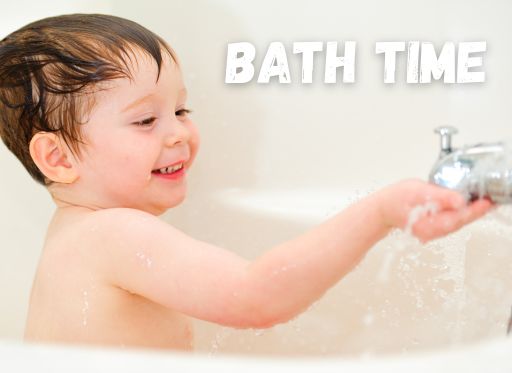
Take 2-3 baths a day. Practice back floating and getting faces wet in the tub.
If your child is resistant to that, just try to make it a game. Have them dump water on you (or a willing sibling, baby doll, etc.) and then do it to them. Distract immediately afterwards by quickly asking them to do it to you again and laughing :). “Dump it on me! Dump it on me now!” Lots of high fives and quickly moving on to something else he or she likes, then doing it again.
REWARDS
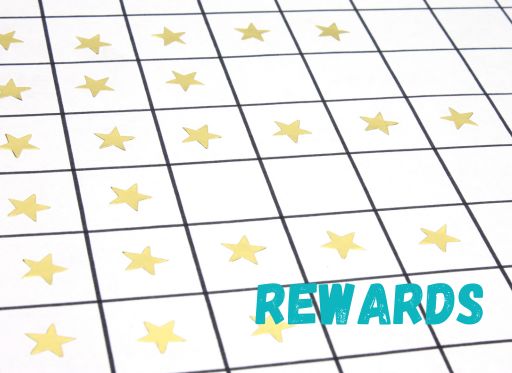
Regardless of how you feel about rewards, it’s sometimes beneficial when there’s something important like learning to swim at stake. So, if you’re up for it, you could make a little chart for your child with stickers or offer a treat afterwards if he or she listens, tries hard to be calm while swimming and to have fun.
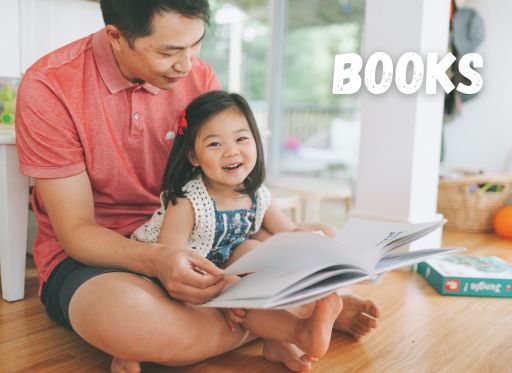
BOOKS
Books can often be helpful when a child is learning a new skill. Here are some books that talk about learning to swim if you’d like to try reading some of these with your kids.
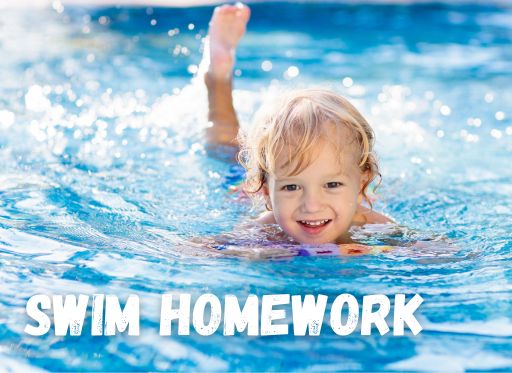
SWIM HOMEWORK
We’ve made some videos that show swimming skills that can be practiced either in the pool, bathtub or on dry ground. Some kids have loved watching these videos and trying the skills themselves. Here is our Youtube Channel. Also there are more videos on our Facebook page.
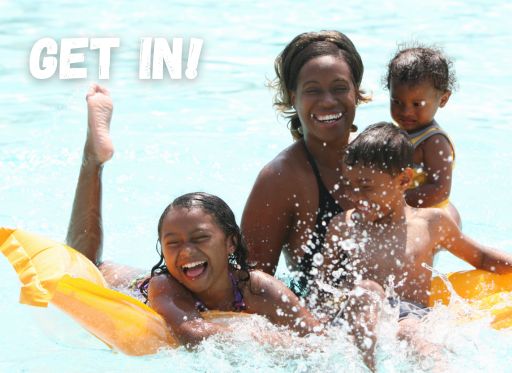
GET IN THE POOL
As much as you can, get in the pool as a family and practice real skills. If you don’t have access to a pool, you might consider getting a membership or day pass at places like the YMCA, theCENTER or public pools in McGregor, Robinson or West. Before you have fun swim time, take a while to practice the real swim skills. If you practice nothing else, have them float on their backs and then practice holding their breath but if you want more ideas, check out these videos and also the wristband sheet for their level.
If your child is still resistant even after some lessons and practice at home, hang in there. Each child’s learning process is different and they will catch on!
Leave A Comment